Top 10 AI Trends in...
Top 10 AI Trends in 2026: How Artificial Intelligence Is Changing the World
Top 10 AI Trends in 2026: How Artificial Intelligence Is Changing the World
AI trends in 2026 are transforming how people work, learn, create content, and run businesses. From AI agents and generative AI to intelligent automation and personalized education, artificial intelligence is creating new opportunities for individuals and organizations around the world.
In 2026, businesses are exploring AI technologies to improve productivity, automate repetitive tasks, and make better decisions. Students, developers, marketers, and content creators are also using AI tools to develop skills and solve everyday problems.
Understanding the latest AI trends in 2026 can help you prepare for technological changes and discover practical ways to use artificial intelligence in your personal and professional life.
In this article, we explore ten important AI trends, their benefits, potential challenges, and how you can use them effectively.
 AI Agents Are Transforming Everyday Work
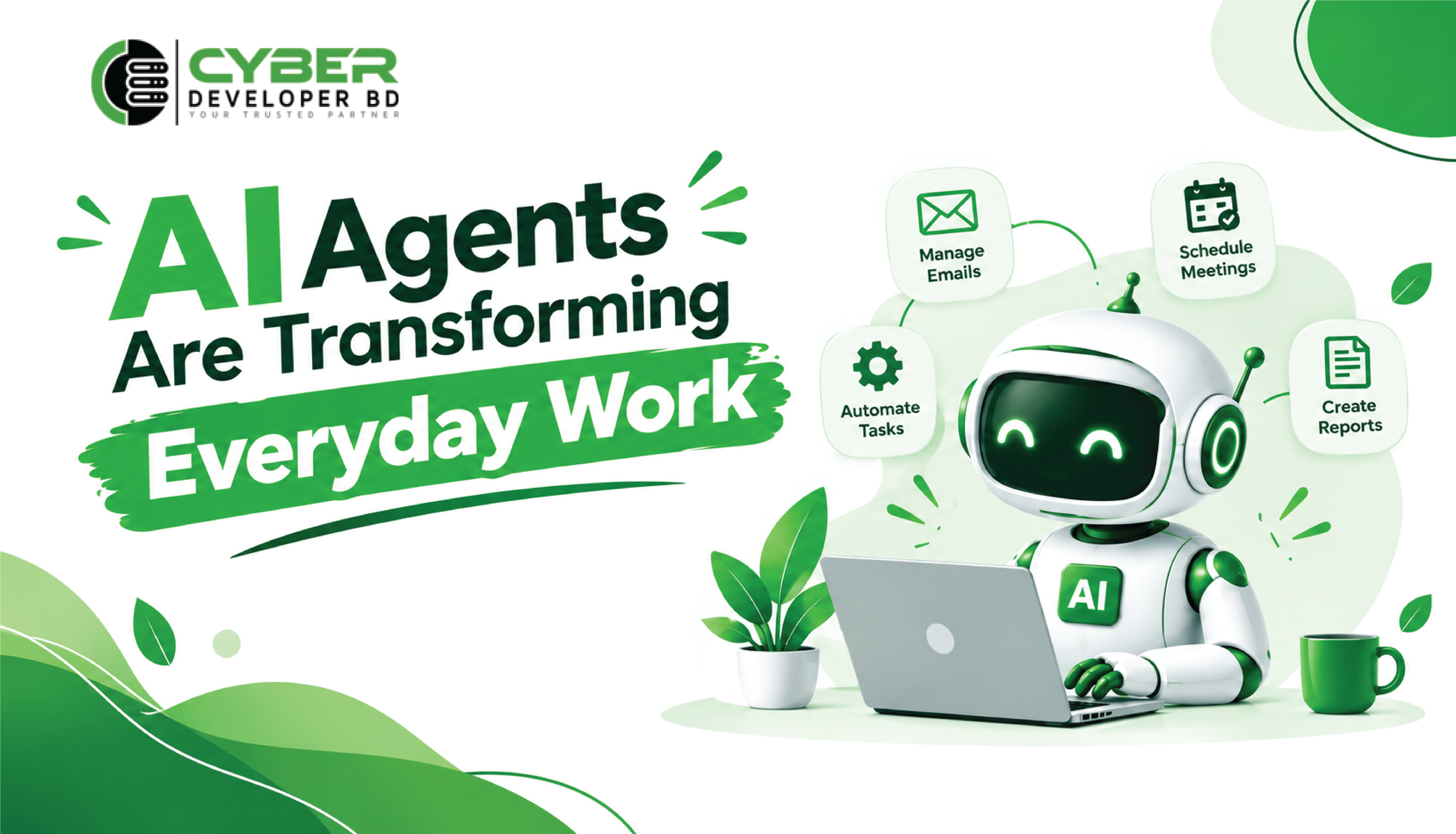
AI agents are becoming an important part of the artificial intelligence industry. Unlike traditional chatbots that mainly answer questions, AI agents can complete multiple steps of a task with varying levels of independence.
For example, an AI agent may organize information, summarize documents, prepare reports, or assist with customer service. Depending on its permissions and available integrations, it may also interact with other software to complete specific tasks.
Businesses are exploring AI agents to reduce repetitive work, improve productivity, and streamline daily operations.
However, AI agents are not perfect. They can misunderstand instructions, make mistakes, or take incorrect actions. Human supervision remains important, especially when financial, legal, or sensitive information is involved.
Generative AI Is Changing Content Creation
Generative AI is one of the most influential AI trends in 2026. These systems can create text, images, audio, video, and computer code based on instructions provided by users.
Bloggers can use AI to brainstorm article ideas, create outlines, and improve their writing. Designers can explore visual concepts, while marketers can prepare campaign ideas and product descriptions.
Generative AI also allows beginners to experiment with creative projects without requiring advanced technical skills.
However, AI-generated content should be reviewed before publication. Some systems produce inaccurate information, repetitive writing, or misleading images.
The best approach is to combine AI assistance with human creativity, original ideas, fact-checking, and personal experience.
 Powered Search Is Changing SEO
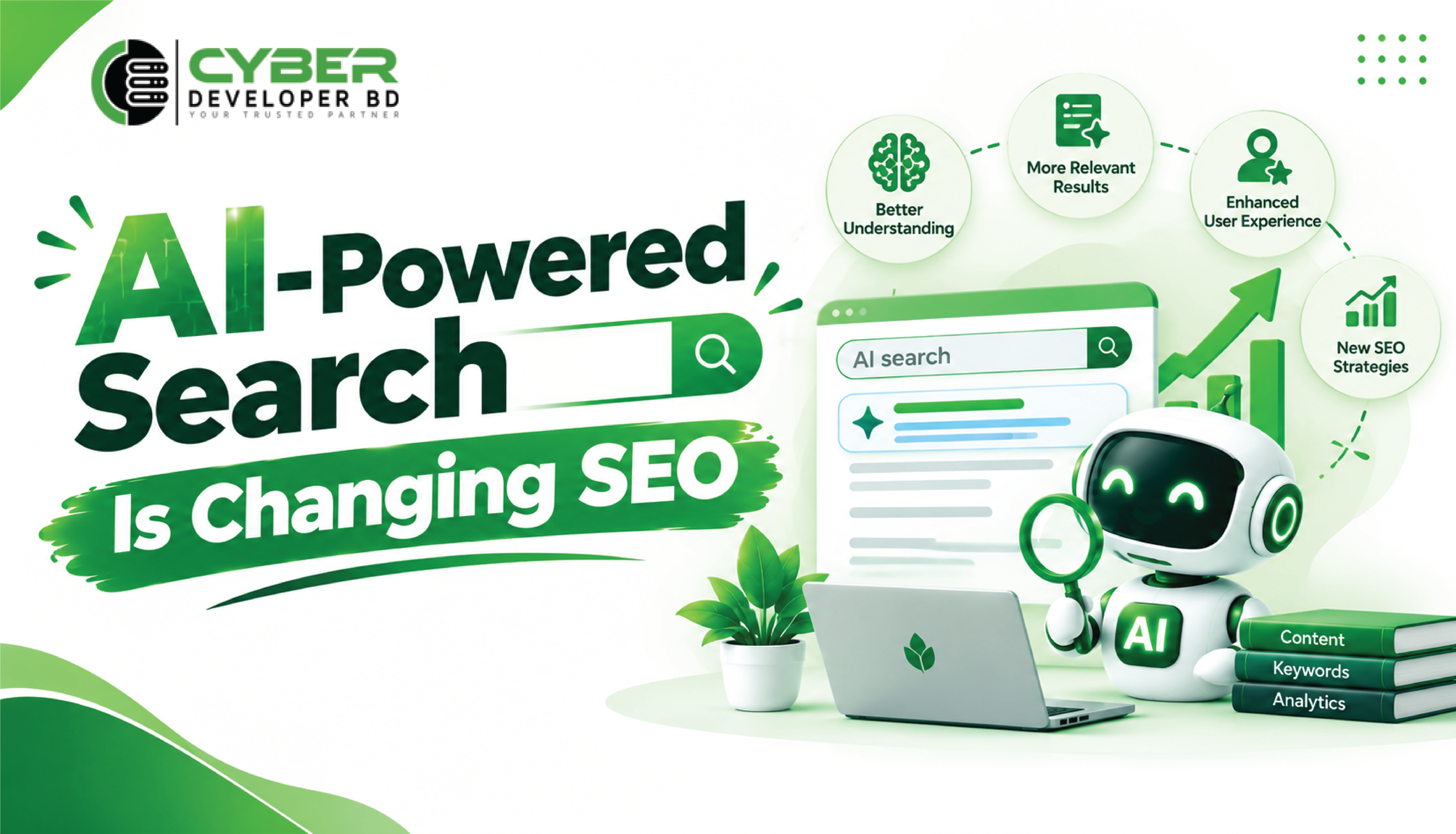
Search engines are evolving as AI helps users discover information through conversational answers and more advanced search experiences.
Instead of entering only a few keywords, users can ask detailed questions and explore summarized information from multiple sources.
This development creates new challenges for website owners and digital marketers. Traditional SEO techniques remain useful, but publishing content that genuinely answers users’ questions is increasingly important.
Website owners should focus on clear headings, helpful explanations, relevant keywords, accurate information, and a user-friendly website structure.
For example, instead of repeating the keyword “best AI tools” throughout an article, create a useful comparison that explains each tool’s features, limitations, verified pricing, and ideal use cases.
High-quality content can help readers make informed decisions and give them a reason to revisit your website.
AI Automation Is Helping Businesses Grow
AI automation allows businesses to use technology for repetitive tasks that previously required substantial manual effort.
Examples include sorting customer emails, summarizing business documents, analyzing sales data, and answering common customer questions.
Small businesses can benefit from automation because it may reduce the time spent on routine activities. Online stores, for instance, can use AI to categorize support requests or help customers find relevant products.
Automation can also help teams organize information and identify patterns in large datasets.
Nevertheless, businesses should evaluate the cost, reliability, security, and accuracy of each system before adopting it. Automated decisions that affect customers or employees may require additional checks and human approval.
AI works best when it solves a clearly defined problem rather than being introduced simply because it is popular.
AI Is Making Education More Personalized
Artificial intelligence is creating new opportunities for students, teachers, and lifelong learners.
AI learning assistants can explain difficult concepts, generate practice questions, summarize study materials, and adjust explanations to different learning levels.
For example, a student learning programming can ask an AI assistant to explain a coding error step by step. Someone learning English can practice conversations, explore vocabulary, and receive feedback on grammar.
Teachers may also use AI to brainstorm lesson plans and prepare educational exercises.
However, students should avoid relying completely on AI-generated answers. Incorrect explanations can lead to misunderstandings, and copying assignments prevents learners from developing essential skills.
When used responsibly, AI can support education by making practice more accessible while encouraging independent thinking and problem-solving.
AI Cybersecurity Is Becoming More Important
Cybersecurity is another important area among the major AI trends in 2026. Artificial intelligence can help security teams identify unusual activity, analyze suspicious patterns, and investigate potential threats.
At the same time, cybercriminals can misuse AI to create convincing phishing messages, imitate voices, and automate certain malicious activities.
This means individuals and businesses must remain careful when interacting with unfamiliar emails, links, phone calls, and online services.
To improve your online security, use strong and unique passwords, enable multifactor authentication, install software updates, and avoid sharing confidential information with untrusted platforms.
If someone contacts you unexpectedly and requests money or sensitive information, verify their identity through an independent communication channel.
AI can strengthen cybersecurity, but it cannot eliminate every risk. Human awareness remains an essential part of digital protection.
Multimodal AI Is Creating Smarter Experiences
Multimodal AI refers to systems that can process or work with different types of information, including text, images, audio, and video.
For example, a user might upload a picture and ask an AI assistant to describe it. Another user might provide spoken instructions or combine visual information with written questions.
These capabilities can support accessibility, education, research, customer service, and creative work.
Businesses may use multimodal systems to analyze documents containing text and images, while individuals can use them to interact with technology more naturally.
However, these systems can still misunderstand visual details, misinterpret speech, or generate incorrect explanations.
Users should verify important results, especially when working with technical documents, medical information, or other high-impact subjects.
As the technology develops, multimodal AI may make digital tools more flexible and accessible to a wider range of people.
 AI Coding Tools Are Supporting Software Developers
AI-powered coding assistants are changing how many developers approach software development.
These tools can suggest code, explain programming concepts, identify possible errors, generate test cases, and help developers understand unfamiliar codebases.
Beginners may find them useful for learning programming, while experienced developers can use them to explore solutions and speed up routine work.
For example, a developer building a website might ask an AI assistant to explain a JavaScript error or suggest improvements to a database query.
However, AI-generated code is not always correct or secure. It may introduce bugs, inefficient solutions, or vulnerabilities that are difficult to recognize without technical knowledge.
Developers should review the code, run appropriate tests, protect credentials, and follow secure programming practices.
AI coding tools can improve productivity, but understanding the underlying code remains essential for building reliable software.
On-Device AI Is Expanding
On-device AI refers to artificial intelligence processing that takes place directly on a device, such as a smartphone, laptop, or tablet.
Traditionally, many AI applications have depended on remote servers to process user requests. On-device processing can allow certain tasks to run locally instead.
Depending on the hardware and software, this approach may provide faster responses, support some offline features, and reduce the amount of information sent to external servers.
For example, a compatible smartphone might use local AI features to organize information or assist with writing.
However, not every AI task can run efficiently on a personal device. Larger models may still require cloud computing, and local processing does not automatically guarantee privacy.
Users should understand how their applications collect, process, and store information before sharing sensitive data.
Responsible AI and Human Oversight Matter More Than Ever
Responsible AI is becoming increasingly important as artificial intelligence systems grow more capable and widely used.
AI systems can produce biased results, share incorrect information, create misleading content, or expose sensitive data if they are poorly designed or used carelessly.
Organizations must consider privacy, transparency, accountability, fairness, and security when developing and deploying AI systems.
Individuals also have responsibilities. They should verify important claims, respect copyright, protect personal information, and avoid presenting fabricated AI-generated material as authentic evidence.
Human oversight is especially important in areas such as healthcare, finance, education, and legal decision-making.
The goal should not simply be to build more powerful AI systems. It should also be to ensure that these systems are useful, trustworthy, and appropriate for the tasks they perform.
 How Can You Prepare for the Future of AI?
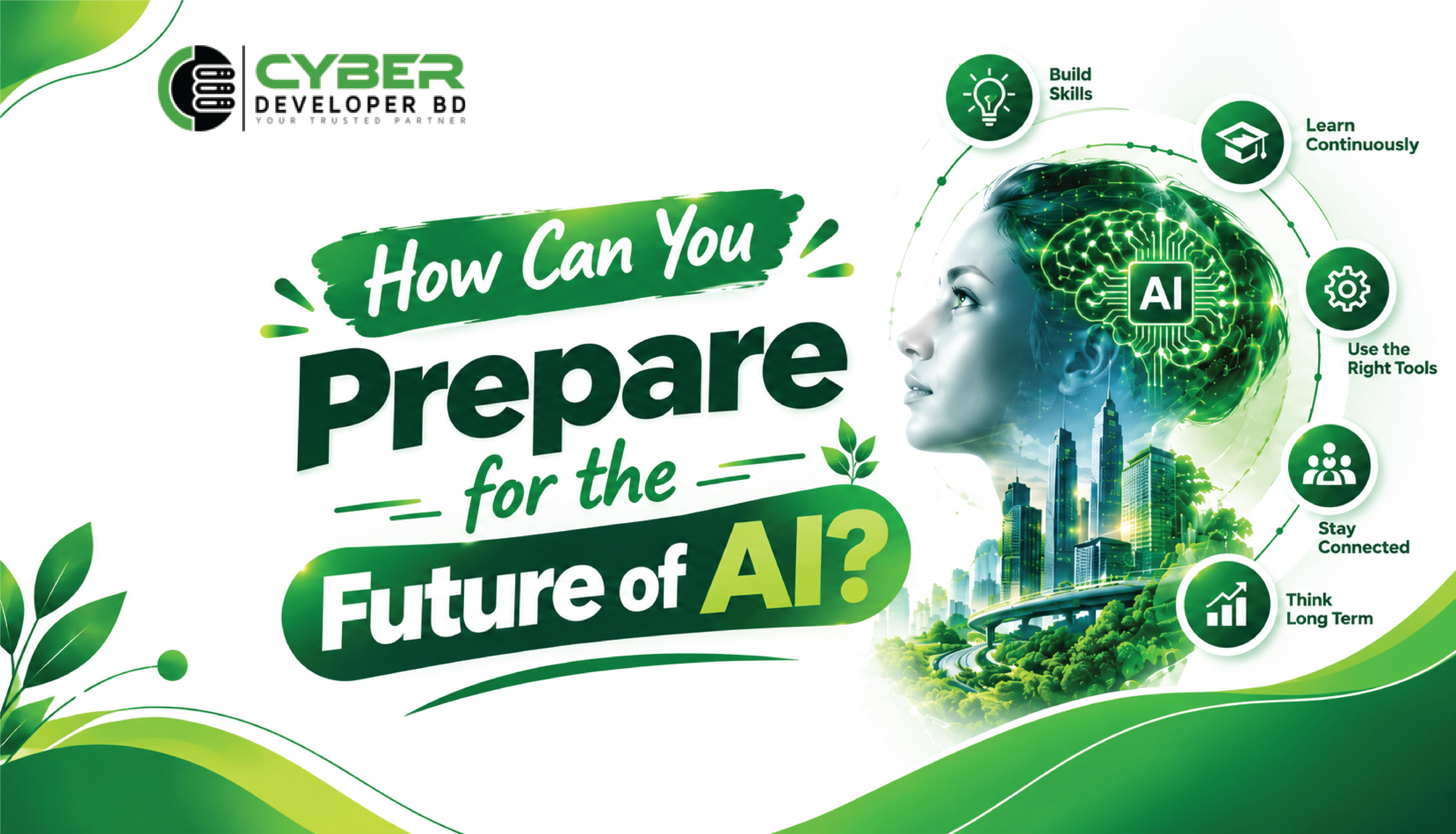
Understanding AI trends in 2026 is a useful starting point, but practical experience is equally important. You do not need to be a professional programmer to begin learning about artificial intelligence.
Here are six practical steps you can take today:
- Explore AI tools: Try tools that support your work, education, or creative interests.
- Learn basic AI concepts: Understand the differences between artificial intelligence, machine learning, and generative AI.
- Develop digital skills: Practice writing, data analysis, communication, and problem-solving.
- Verify AI-generated information: Check important facts against reliable sources.
- Protect your privacy: Avoid entering confidential information into services unless you understand their data policies.
- Build practical projects: Experiment with a small website, chatbot, or automation workflow to develop real-world experience.
Learning continuously can help you adapt as technology changes and new opportunities emerge.
Conclusion: The Future of AI in 2026 and Beyond
The AI trends in 2026 demonstrate how artificial intelligence is influencing many parts of modern life, from content creation and education to cybersecurity, business automation, and software development.
Although these technologies offer exciting possibilities, they also have limitations. AI can make mistakes, produce misleading information, and create new security challenges.
The most effective approach is to use AI as a tool that supports human abilities rather than treating it as a replacement for independent thinking.
Whether you are a student, business owner, developer, or blogger, understanding the latest AI trends can help you make better decisions in an increasingly digital world.
What AI trend interests you the most in 2026? Share your thoughts in the comments, and follow our blog for more technology news, AI guides, and digital innovation updates.

